Physical Address
304 North Cardinal St.
Dorchester Center, MA 02124
Physical Address
304 North Cardinal St.
Dorchester Center, MA 02124

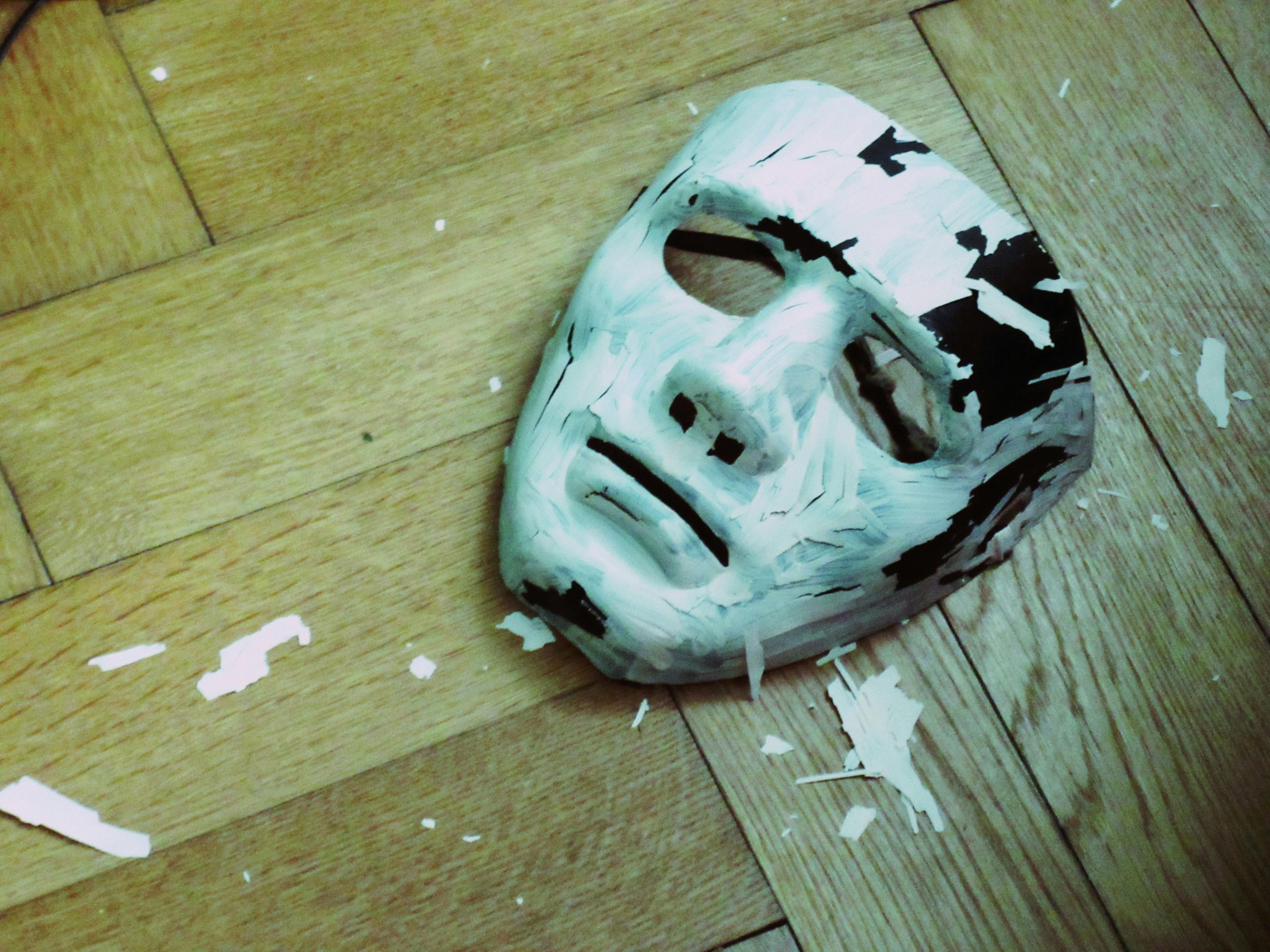
For years, I was a chameleon. I’d step into a room and become whoever I thought I needed to be. My voice would change. My mannerisms would shift. Even my accent would start to mirror the people around me. I wore clothes that made my skin crawl, ate foods I hated and pretended to love them, laughed at the right moments, stayed quiet when I wanted to speak, and buried my personality so deep that I’m not sure I even knew who I was anymore.
I was masking, though I didn’t have a name for it at the time.
ADHD masking in adults is like playing a character in a show that never ends. You’re constantly performing, constantly adjusting, constantly trying to be someone more acceptable than whoever you actually are. And the exhausting part? Most of us don’t even realise we’re doing it. It becomes so automatic, so ingrained from childhood, that we genuinely believe this is just what being human means.
But here’s what I’ve learned since my ADHD diagnosis: masking isn’t living. It’s surviving. And unmasking neurodiversity isn’t about “acting inappropriately” or “going crazy.” It’s about finally giving yourself permission to exist as you actually are.
Masking is the act of hiding or suppressing your neurodivergent traits to fit into a neurotypical world. For those of us with ADHD, it becomes second nature, often starting in childhood when we first realise we’re “different” and that different isn’t always welcomed.
For me, masking looked like constantly shape-shifting. I’d walk into a social situation and immediately scan the room, picking up on the energy, the social cues, the unspoken rules. Then I’d become whatever version of myself I thought would fit best. If I was with high-energy people, I’d amp myself up. If I was in a more reserved setting, I’d dial everything down.
I’d mimic mannerisms without thinking about it. I’d mirror people’s speech patterns. There were times I’d even start unconsciously copying the accents of people I was spending time with. It was like my brain was constantly trying to blend in, to disappear into the background by becoming part of the scenery.
The clothing was a big one too. I wore things that felt completely wrong on my body because they looked “appropriate” or “professional” or “normal.” The sensory issues were real. Certain fabrics made my skin feel like it was screaming. Buttons at my waist were a particular kind of torture. But I’d wear them anyway because that’s what you’re supposed to do, right? You’re supposed to look put-together, even if it means being deeply uncomfortable in your own skin.
Food was another area where I masked constantly. I have significant texture issues with food, but I’d force myself to eat things I couldn’t stand because that’s what polite people do. I’d pretend to enjoy meals that made me want to gag. I’d eat at “appropriate” times even when my ADHD brain and body had completely different ideas about hunger and mealtimes. The whole relationship with food became performative, one more way I was playing a character instead of being myself.
And my personality? That got buried deepest of all. I have a dark, sarcastic sense of humour that I only let out around my closest people. I’m enthusiastic about specific topics in a way that I knew others found “too much,” so I learned to tone it down, to seem interested but not too interested, to keep my excitement contained.
I remember being at work once and making a joke that was perfectly appropriate but just genuinely me. The entire room did a double-take. Not because the joke was offensive or out of line, but simply because it came from me. They’d never heard that side of my personality before. I’d hidden it so completely that when it slipped out, it was shocking.
Here’s what no one tells you about ADHD masking: it’s not just tiring. It’s completely depleting.
I suffered terribly from anxiety and burnout, and I didn’t connect it to masking until much later. Every social situation felt like stepping onto a stage. Every conversation required conscious effort to monitor my responses, my body language, my tone. Work was especially draining. Social situations left me wiped out for days.
The energy required to constantly perform as someone else is staggering. You’re not just managing your ADHD symptoms. You’re managing an entire alternate persona, making sure the mask doesn’t slip, ensuring that people see the “acceptable” version of you rather than the real one.
And underneath all of that performance was a crushing sense of failure. Because I believed I needed to be this other person to be accepted, every moment I couldn’t maintain the mask felt like proof that I wasn’t good enough. The real me wasn’t acceptable. The real me had to stay hidden.
That belief system is incredibly damaging, especially when accepting ADHD as an adult. How can you accept who you are when you’ve spent decades believing that who you are isn’t good enough?
When I started to unmask after my diagnosis, it felt profoundly odd. I’d spent so long believing that this performance was just how you had to be to be human. Stepping away from that felt disorienting, almost like I was doing something wrong.
The timing was actually crucial for me. My youngest daughter was going through her autism diagnosis around the same time I was diagnosed with ADHD. I realised very quickly that I needed to unlearn my masking behaviours so I could support her journey. I couldn’t teach her to embrace her authentic neurodivergent self while I was still hiding mine. That urgency helped push me forward.
I started at home, with my family. That felt like the safest place to practice being real. And I began with something simple: clothing.
I stopped wearing things that made me physically uncomfortable. I started choosing clothes based on how they felt, not just how they looked. Yes, that often means hoodies. But it also means I’m more selective about fabrics when I do wear smart clothing. I can dress professionally without torturing myself with sensory nightmares. The difference is that now I get to decide what feels right for my body.
My family’s reaction surprised me. They were relieved. They could see I was less stressed, more myself. And when I relaxed, they relaxed too. Turns out, my constant state of tension from masking had been affecting everyone around me.
From there, I started unmasking other things. I stopped forcing myself to eat foods I hated, let my actual sense of humour show and allowed my enthusiasm about topics I care about to come through without constantly dampening it down. I stopped pretending to have opinions I didn’t actually hold or agreeing with things just to keep the peace.
The process revealed something startling: I’d been masking so much that I wasn’t even sure who I really was anymore. Unmasking became an archaeological dig, slowly uncovering layers of myself I’d buried decades ago.
I need to be honest here: I still mask in some situations. Unmasking neurodiversity doesn’t mean you unmask everywhere, all the time, regardless of context. That’s not realistic, and frankly, it’s not always safe.
Some situations still require a degree of masking. There are environments where being fully authentic isn’t an option, where the cost of unmasking would be too high. And that’s okay. Unmasking isn’t about being reckless. It’s about being intentional.
The difference now is awareness. When I catch myself slipping into masking mode, I’m conscious of it. I can make a choice: is this a situation where I need to protect myself by masking somewhat, or am I falling back into old patterns out of habit and fear?
I work differently now, which has helped significantly. My work situation has changed in ways that don’t require the same level of constant masking. But in social situations, especially with people I don’t know well, I still find myself moderating certain traits. The key difference is that I’m aware of what I’m doing and why, rather than operating on autopilot.
At home, though? I’m fully myself now. My family gets the unfiltered version, dark humor and all. And that authenticity has transformed our relationships. They know me now. The real me. Not the carefully constructed version I thought they needed.
At its heart, unmasking is about discovering who you really are. And ADHD is part of who you are. You can’t fully accept your ADHD while simultaneously hiding all the traits that come with it.
Accepting ADHD as an adult means acknowledging that your brain works differently, and that different isn’t defective. But you can’t get there if you’re still performing neurotypicality for everyone around you. You can’t embrace neurodivergence while pretending to be neurotypical.
This is where self-compassion becomes absolutely crucial. Without compassion for yourself, you’ll always try to force yourself into the box that society tells you to fit into. You’ll keep performing, keep masking, keep believing that the real you isn’t acceptable.
Unmasking is about finding the shape that actually fits you, not contorting yourself to fit into someone else’s mold. And you cannot do that without tremendous self-compassion.
You have to be willing to look at all those years of masking and forgive yourself for hiding. You were just trying to survive, doing what you had to, the only way you knew how to protect yourself. There’s no shame in that.
But you also have to be willing to imagine that maybe, just maybe, the real you is worth showing. That the traits you’ve been hiding aren’t flaws that need to be covered up. They’re just parts of who you are.
I hear this fear, and I understand it deeply. I lived it for decades.
But here’s the truth I had to face: if you never unmask, people don’t actually like you anyway. They like the character you’re playing. They like the mask. They’ve never been given the chance to know you, so how could they possibly like or dislike the real you?
When you’re constantly performing, you’re not building genuine connections. You’re building connections to a fictional version of yourself. And maintaining those relationships becomes exhausting because you can never relax, never be real, never let your guard down.
Yes, some people might not like the authentic you. That’s a real possibility, and it can hurt. But the people who stay, the people who appreciate you for who you actually are? Those relationships are worth so much more than a hundred superficial connections to your masked self.
And here’s what I found: when I started being real, I attracted people who liked me for me. Not for who I was pretending to be, but for my actual personality, quirks and all. Those friendships are deeper, more fulfilling, and require far less energy to maintain.
If you’re reading this and feeling overwhelmed, that’s okay. You don’t have to unmask everything all at once. In fact, I’d recommend against it. Start small. Start safe.
Here’s the first tiny step I’d suggest: Take a look at yourself when you’re home alone.
Are you doing anything you don’t actually like simply because it’s “how you’re supposed to” behave? Would you rather take off your uncomfortable shoes? Watch a different show than the one you tell people is your favourite? Eat at a different time? Wear different clothes?
Even these simple things can reveal how much you mask, even when no one’s watching.
Then, think through your day and the conversations you had. Did the things you said really come from you? Were the opinions you voiced actually yours, or were you agreeing with others to keep things smooth? When someone asked what you wanted to do, did you give your real preference or default to whatever you thought they wanted to hear?
Start noticing the gaps between what you do and who you actually are. You don’t have to change everything immediately. Just start seeing the patterns.
From there, pick one small thing to unmask in the safest environment you have. Maybe that’s what you wear at home, being honest about what you want for dinner or letting yourself info-dump about your special interest to one trusted person instead of holding it all in.
Take one step. See how it feels. Let yourself adjust to existing a little more authentically. Then take another small step.
I’m still on this journey myself. I still catch myself masking. I still have moments where I’m not sure if I’m being authentically me or performing a version of me I think is more acceptable.
But the difference is that I’m aware of it now. I can catch myself and make conscious choices. Extending myself compassion when I realise I’ve been hiding and can gently guide myself back toward authenticity.
Unmasking isn’t a destination you reach. It’s an ongoing practice of checking in with yourself, noticing when you’re performing versus when you’re being real, and gradually expanding the spaces where you feel safe being authentic.
It’s about recognising that your ADHD traits aren’t flaws to be hidden. They’re part of how your brain works, and working with your brain instead of constantly fighting against it is the path to actually thriving.
You don’t have to keep playing a character. You don’t have to keep performing for an audience that doesn’t even know the real show they’re missing.
The real you, ADHD traits and all, is worth knowing. Worth showing. Worth celebrating.
And finding the courage to unmask, even just a little bit, even just at home, even just with one person? That’s the beginning of finally living as yourself instead of as someone else’s idea of who you should be.
This post is part of my journey sharing our family’s experiences with neurodiversity. If you’re on your own unmasking journey, know that you’re not alone, and there’s no “right” way to do this. Be gentle with yourself.