Physical Address
304 North Cardinal St.
Dorchester Center, MA 02124
Physical Address
304 North Cardinal St.
Dorchester Center, MA 02124

If you’ve never heard of Functional Neurological Disorder (FND) before, you’re definitely not alone. It’s one of those conditions that can sound confusing, even to doctors,yet it affects thousands of people in the UK.
For many families like ours, it arrives unexpectedly, often after another major or even minor health event, and completely changes what “normal” looks like.
So, let’s have a proper chat about it. Grab a cuppa, and I’ll walk you through what FND actually is, how it can be triggered (including by something like a stroke), and what living with it really looks like.
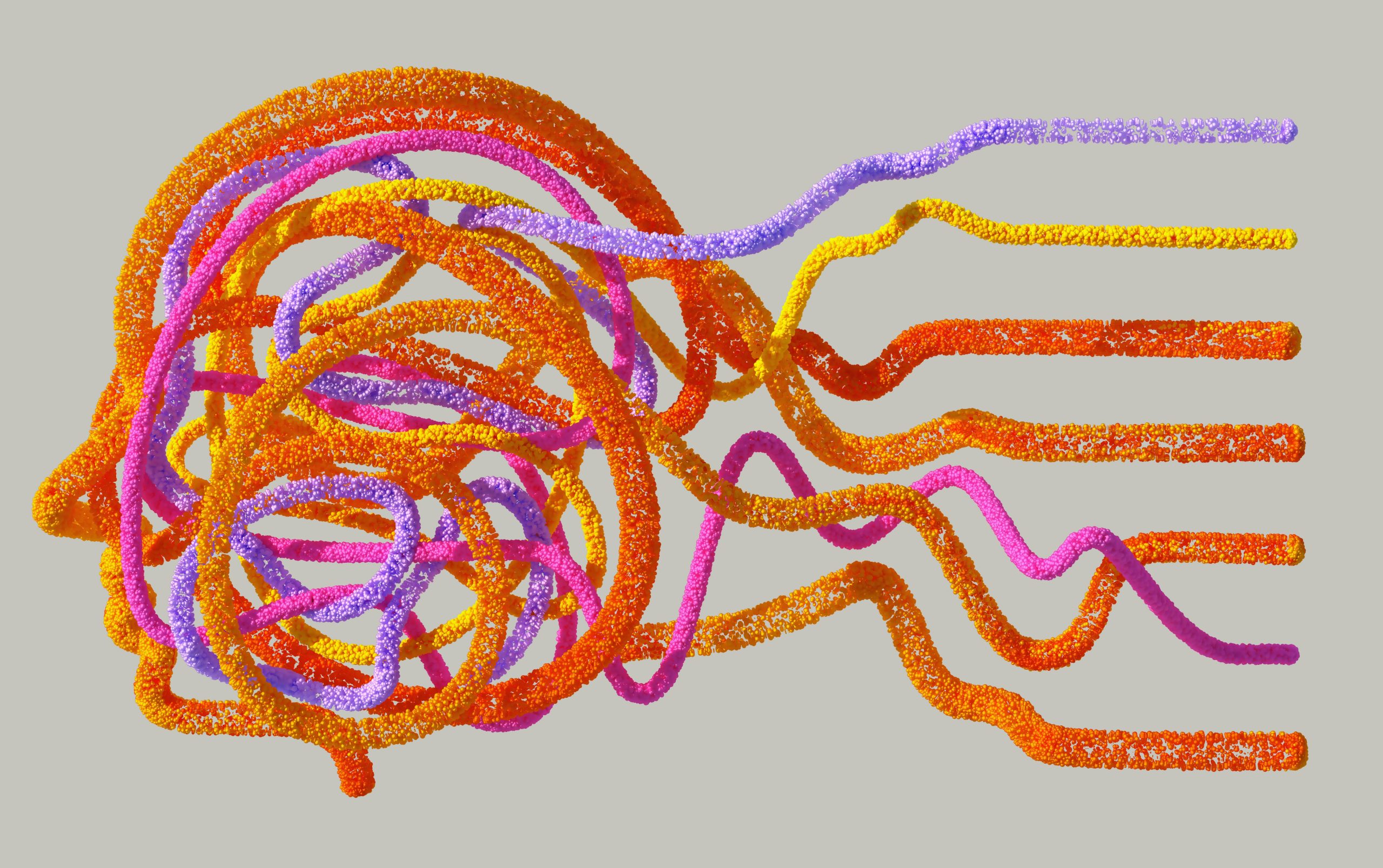
At its core, Functional Neurological Disorder is a problem with how the brain and body send and receive signals — not because the structure of the brain is damaged, but because the functioning has gone a bit haywire.
A neurologist once explained it perfectly using the “hardware vs software” analogy.
If your brain were a computer, a stroke would be like physical damage to the hardware,something you can see on a scan.
FND, on the other hand, is more like a software glitch. The brain and body are still there, but the signals aren’t being processed properly, which leads to very real, very physical symptoms.
Common FND symptoms include:
It’s an incredibly broad list and that’s because FND looks different for everyone. Even in the same person, symptoms can shift from one day to the next.
FND is often linked to past trauma and can sometimes appear after another neurological event, a stroke, head injury, infection, or period of severe stress.
That’s exactly what happened in our case.
My husband, Ian, had a stroke two years ago, completely out of the blue, on our daughter’s 12th birthday. It changed everything in an instant. He was left with weakness on his right side, struggles with memory, and difficulty forming new memories. His sense of time also vanished; to him, the past, present, and future all blend together.
For the first year, we were told that any new or worsening symptoms were just part of his stroke recovery. But over time, things started to feel… off.
His symptoms became unpredictable. One day he could walk a few steps with a stick, and the next he couldn’t move his right leg at all. Sometimes, during a conversation, his speech would suddenly stop, not slurred, just gone.
It was during sessions with a neuropsychologist that someone finally noticed how much his symptoms changed, even within the same appointment. That led to more tests, and eventually, a diagnosis: Functional Neurological Disorder.
FND has added a whole new layer to our lives. The hardest part is the unpredictability.
We can be sitting down for a family meal, chatting and laughing, and suddenly Ian loses his ability to speak or to taste the food in front of him. We can go out together and within minutes he might need his wheelchair because his right side has completely collapsed.
There are no real warnings, and that can be hard for everyone, especially the children. They were 12 and 14 when Ian had his stroke, and watching their dad’s symptoms fluctuate so dramatically has been tough.
Over time, we’ve started to recognise certain triggers:
We’ve learned to build our routines around rest and recovery, pacing things out, simplifying plans, and trying not to panic when FND decides to throw us a curveball.
It’s always there in the background, but we’ve stopped fighting it quite so hard.
Because FND affects the function of the nervous system, the list of possible symptoms is long. Not everyone experiences all of them, but it helps to understand just how wide-ranging they can be.
Common FND symptoms include:
While Ian doesn’t experience seizures, many people with FND do and it’s one of the reasons diagnosis can take time and careful observation.
One of the hardest parts about FND is how invisible it can seem. You can’t “see” the problem on a scan, so people sometimes assume it’s “all in your head.”
I’ve heard that phrase more times than I’d like to count and it couldn’t be further from the truth.
FND is absolutely real. The brain is sending out the wrong signals, and the body is responding to them. Just because the wiring fault doesn’t show up on an MRI doesn’t mean it isn’t there.
For Ian, that misunderstanding has been slightly easier to manage because people already know he had a stroke. They tend to assume his symptoms come from that. But for others without a clear trigger, explaining FND can be exhausting.
Understanding FND requires a shift in how we think about the brain: it’s not just about structure, but about function too.
When Ian was first diagnosed, we had never even heard of FND. There wasn’t a lot of clear information, and that made it feel isolating.
Thankfully, there are now some brilliant organisations and resources in the UK that help families like ours:
Through trial, error, and a lot of patience, we’ve learned that managing FND isn’t about chasing a cure, it’s about finding stability.
That means recognising triggers, celebrating the good days, and accepting the harder ones. Pacing and calm routines make a huge difference.
And above all, we’ve learned to live life a little slower, a little gentler.
FND is messy, unpredictable, and sometimes incredibly frustrating. But it’s not the end of joy, laughter, or connection.
Yes, there are days when it all feels heavy. But there are also moments when we find ourselves laughing around the dinner table, grateful for what we can do, rather than mourning what’s changed.
If you or someone you love is living with FND please know this: you’re not alone, and it’s not “in your head.”
FND is real. It deserves understanding, compassion, and better awareness. And with the right support, it’s possible to build a good life alongside it.