Physical Address
304 North Cardinal St.
Dorchester Center, MA 02124
Physical Address
304 North Cardinal St.
Dorchester Center, MA 02124

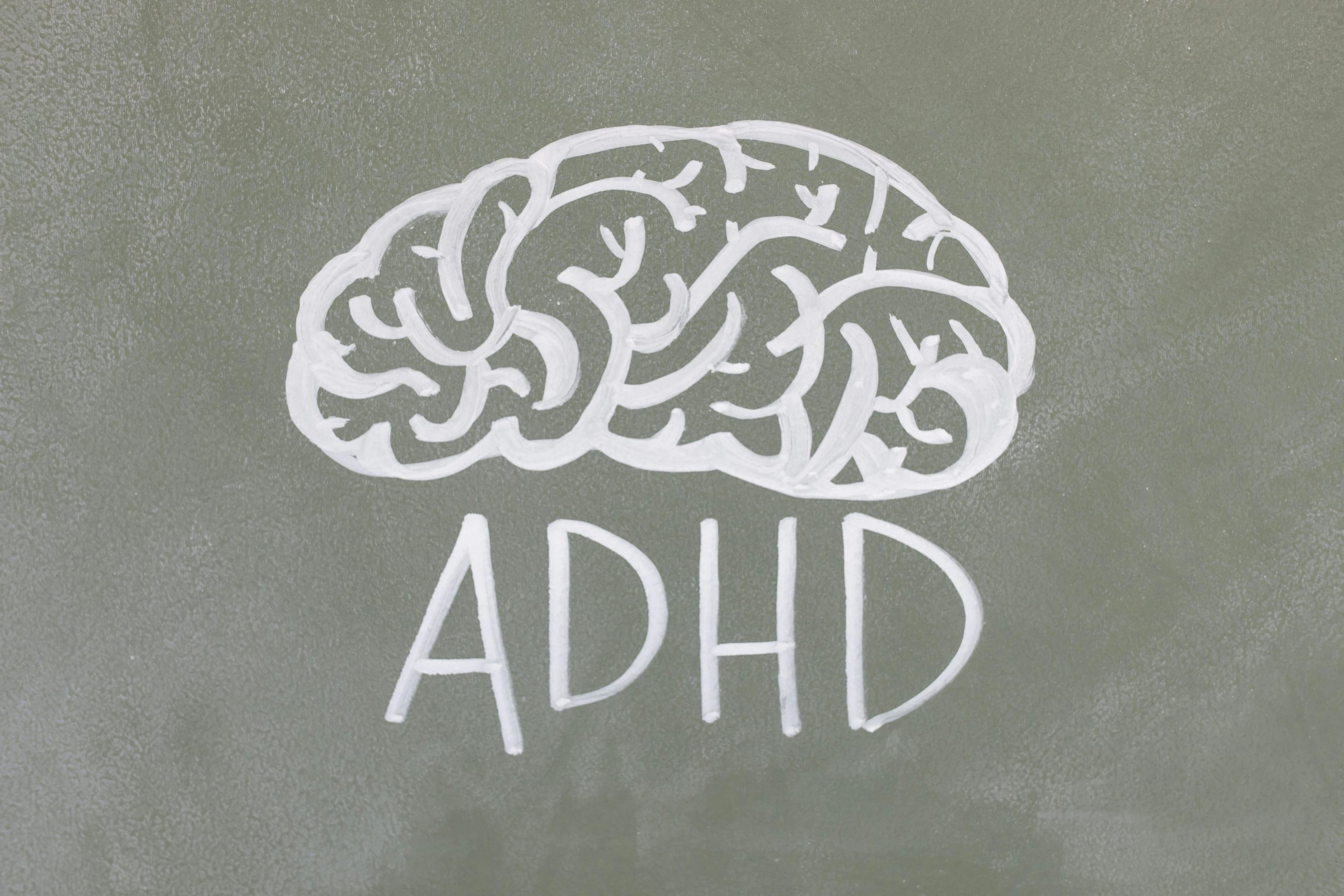
I was 37 years old when I finally got my ADHD diagnosis. Thirty-seven years of thinking I was just lazy, thirty-seven years of calling myself useless because I couldn’t seem to manage what everyone else found so effortless. Thirty-seven years of being amazing in a crisis but forgetting the washing was still in the machine.
As someone who writes about neurodiversity and parenting neurodivergent children, I’ve learned that our family’s journey with autism, ADHD, and other neurological differences isn’t always straightforward. But my own late-diagnosis ADHD? That was perhaps the most unexpected plot twist of all.
If you’re a woman reading this and thinking, “This sounds familiar,” I want you to know: you’re not alone, and there’s nothing wrong with you. Your brain just works differently, and that’s okay.
Looking back now, the signs were everywhere. I just didn’t have the language for them.
Time was my enemy. Either impossibly early to things (arriving 45 minutes ahead because I was terrified of being late) or rushing in apologetically after everyone else had started. I couldn’t seem to to find the middle ground. I needed multiple alarms for everything, and even then, I’d somehow manage to miss important appointments or deadlines.
Executive function? I didn’t know that term existed, but I was definitely struggling with it. Projects began with enormous enthusiasm, but my focus would drift away. I’ve had multiple careers, not because I’m adventurous (though I told myself that), but because I couldn’t seem to stick with anything long enough.
Then there was the object permanence issue. I didn’t know that’s what it was called, but I knew that if I couldn’t see something, it ceased to exist in my mind. Cupboard doors stayed open. Things lived on countertops instead of being put away. Food would go bad in the fridge because once it was behind that closed door, I’d completely forget it was there. My kitchen looked chaotic, but to me, it was survival. If I put things away, they’d vanish from my reality entirely.
I genuinely believed everyone else had it more together than I did. They must have some manual for adulting that I’d missed. I called myself lazy constantly. Useless. A failure. How could I be so capable under pressure, able to outperform people around me in a crisis, yet somehow remembering to move the wet laundry to the dryer felt insurmountable?
When my children came along, something shifted. Not because I suddenly “got better” at executive function, but because I had a strict routine forced upon me. Babies don’t care if you’re struggling with time management. They need feeding, changing, and napping at relatively predictable intervals.
Here’s a perfect example: I’ve always had a complicated relationship with food. I love eating, but I’d regularly forget to eat until I was absolutely starving, shaky, and irritable. But when I became responsible for feeding small humans? That routine of preparing meals for them became my reminder to feed myself too. The structure they needed became the structure I needed, even though I didn’t fully understand why.
I still needed those multiple alarms and reminders, though. The difference was I’d started setting them more consciously, trying to outsmart my own brain without really understanding what I was working against.
The catalyst for my own diagnosis came during my youngest child’s autism assessment. The assessor asked, quite casually, if I had ADHD. She mentioned it was hereditary and that she’d noticed some traits in me during our conversations.
That question sent me down a rabbit hole.
The more I read about adult ADHD symptoms in women, the more my entire life seemed to click into place. Late-diagnosis ADHD in women looks different than the stereotype. We’re not bouncing off walls, we’re the ones who look like we’re coping from the outside while drowning internally. We’re the ones labelled as “ditzy” or “scattered” or “too sensitive” or “just anxious.”
Getting an ADHD diagnosis later in life meant going through an assessment process that required me to look back at my childhood. That part was harder than I had expected. I kept seeing moments where my ADHD could have been picked up, should have been noticed, but was missed by everyone around me.
At school, I was seen as bright but lazy. I’d work incredibly hard in class, absorbing everything, but then I’d forget to do homework. Or I’d do it and forget to hand it in. Teachers were frustrated with me. I was frustrated with myself. But no one thought, “Maybe this child’s brain works differently.” They just thought I wasn’t trying hard enough.
When I finally received my diagnosis, my first emotion was relief. Pure, overwhelming relief.
I could forgive myself. All those “failures” I’d been carrying around for decades? They weren’t moral failings or character flaws. They were symptoms of a neurological difference. I wasn’t lazy. I wasn’t useless. My brain was just wired differently, and I’d been trying to function in a world designed for neurotypical brains.
But that relief was quickly followed by grief. Real, heavy grief. I mourned the life I could have had if someone had noticed earlier. I thought about all the opportunities I’d given up on, all the things I hadn’t even tried because I was convinced I wasn’t good enough. How many career paths had I abandoned not because I didn’t have the ability, but because I couldn’t sustain the focus without support? How much of my self-worth had been destroyed by a world that saw my ADHD symptoms as personal shortcomings?
To anyone reading this who’s wondering if they should pursue a diagnosis: that grief is real, and it’s valid, but getting to know yourself better is revolutionary.
I started medication after my diagnosis, and I can only describe it as a breath of fresh air. From day one, I felt more in control of myself, more present, more capable of directing my attention where I wanted it to go. (I’ve had to take a break from medication recently due to an unrelated medical issue, but I’ll return to it once I’m better, and I’m looking forward to that clarity again.)
But medication wasn’t the only change. Understanding my ADHD meant I could finally stop fighting against my brain and start working with it.
Those alarms and reminders I mentioned? I still use them, but I’ve completely changed my approach. I used to set them with messages that were essentially me shouting at myself, as if I could shame myself into remembering. Now they’re simple and kind: “Don’t forget” messages that feel like a friend tapping me on the shoulder rather than a drill sergeant yelling in my face. That shift to self-compassion has been huge.
I’ve learned to recognise and ride my hyperfocus when it appears. This blog is a perfect example. I’ve wanted to start a blog for ages, and I’ve tried several times on different subjects, but they felt forced. This one, about neurodiversity and our family’s journey? It’s consumed me in the best possible way. So I’m letting myself lean into that obsession while it lasts, making sure I carve out time for it, because I know that hyperfocus is a gift when you can harness it.
Cleaning is another area where I’ve stopped fighting myself. Daily cleaning has always been a struggle. I have my non-negotiables that I have to do (mainly for my children, because I want things to be good for them), but I’m not sure I’d manage even that without them. However, I’ve noticed that once I actually start cleaning, I often fall into hyperfocus and end up deep cleaning everything in sight.
Before diagnosis, I would force myself to stop mid-clean to do “other important things,” which meant the housework would pile up and overwhelm me. Now? If I’m in that hyperfocus cleaning zone, I let myself ride it. I’ve learned that working with my brain’s natural rhythms is far more effective than trying to impose a neurotypical schedule on myself.
The object permanence thing? I’ve made peace with it. My kitchen still has open cupboards and things on countertops, but now I understand why, and I don’t beat myself up about it. If keeping things visible means I actually use them and eat the food before it spoils, then that’s a perfectly valid adaptation.
I’m still the same person I was before the diagnosis. The ADHD didn’t appear at 37; it was there all along. But what’s changed is that I give myself grace and forgiveness on days when I can’t get things done or when I forget something important.
I’m still learning, really, how to work with my brain rather than against it. Some days are harder than others. Some days the executive dysfunction wins, and I have to accept that. But I’m no longer calling myself lazy or useless. I understand now that my brain just works differently than neurotypical brains, and that’s genuinely okay.
If you’re reading this and see yourself in my story, I want you to know that pursuing a diagnosis is worth it. Even if you’re not interested in medication, getting to know yourself better, understanding why you’ve struggled with things that seem easy for others, and being able to forgive your past self for perceived failures? That’s revolutionary.
For me, the diagnosis was about more than just accessing treatment options (though medication has been helpful). It was about finally understanding myself after 37 years of confusion. It was about being able to look back at younger me with compassion instead of criticism.
If you’re sitting there thinking, “This sounds like me, but I’m not sure,” I encourage you to trust that instinct. Getting an ADHD diagnosis later in life isn’t always straightforward, especially for women. We’ve often spent decades developing coping mechanisms that mask our symptoms. We’ve learned to appear functional even when we’re barely holding it together.
Adult ADHD symptoms in women can look like:
If you’re nodding along, consider speaking with a healthcare provider who understands adult ADHD, particularly how it presents in women. It might just be the beginning of finally understanding yourself.
And remember: you’re not lazy. You’re not useless. You’re not broken. Your brain just works differently, and with the right understanding and support, you can stop fighting yourself and start living in a way that actually works for you.
That “aha!” moment? It’s worth pursuing. I promise.
This post is part of my journey sharing our family’s experiences with neurodiversity. If you found this helpful, you’re not alone in this, and there’s a whole community of us figuring this out together.